
Lifelong protection
Vaccines For Life
Routine vaccination belongs alongside everyday healthy habits. See how vaccines help protect people throughout every stage of life.
National Foundation for Infectious Diseases Watch on YouTube
Infectious Diseases
FIGHT THE FLU
BEFORE IT FIGHTS YOU!
Getting your annual flu shot is one of the best ways to protect yourself and reduce the risk of serious flu illness.

Mya is being recognized for her strong financial leadership and continued programmatic support of the Institute’s staff and initiatives. Through her financial oversight, strategic guidance, and commitment to supporting our programmatic operations, she helps ensure that our teams have the resources, guidance, and support needed to carry out their responsibilities effectively.
Mya, we sincerely appreciate the leadership, dedication, and support you bring to the Institute. It is a pleasure to recognize your contributions and celebrate this well-deserved achievement.
Flu prevention · Mississippi
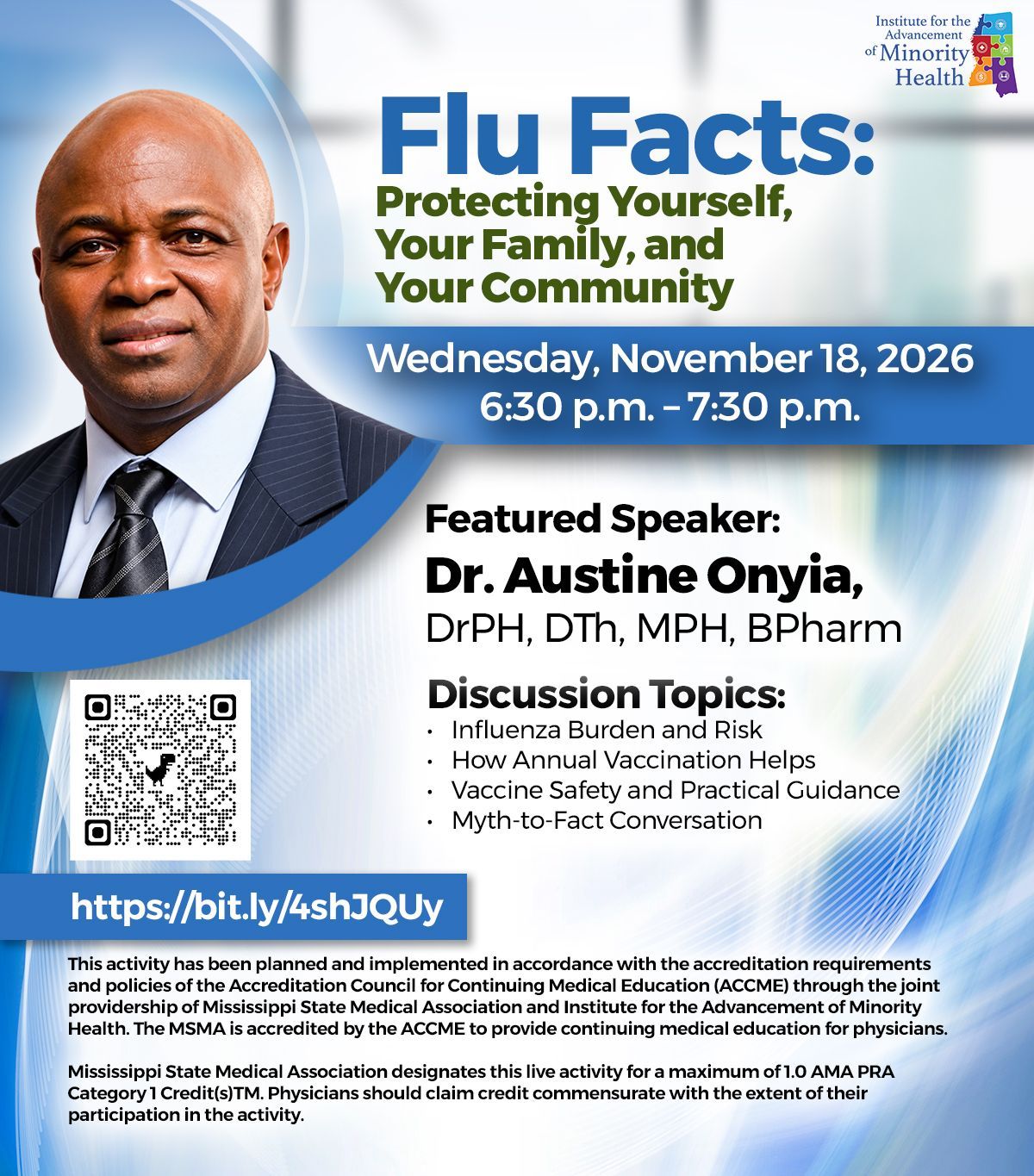
Your flu shot helps protect you, your family, and your community. Get vaccinated today and help Mississippi stay healthier all season.

Make your flu vaccine part of your seasonal health plan and encourage the people you love to do the same.

Flu prevention supports healthier homes and gives families another way to care for one another.

Help protect children, parents, grandparents, and caregivers throughout this flu season.

Talk with a trusted healthcare professional, ask questions, and make a vaccination plan that works for you.
Trusted information
Real stories and trusted guidance can make health decisions easier. Explore these videos about flu risks, vaccine protection, and conversations families can have with healthcare professionals.
Routine vaccination belongs alongside everyday healthy habits. See how vaccines help protect people throughout every stage of life.
National Foundation for Infectious Diseases Watch on YouTubeKaden was a healthy, active seven-year-old before serious flu complications changed his life. His family’s story shows why flu prevention matters.
National Foundation for Infectious Diseases Watch on YouTubeFlu is contagious and vaccine-preventable, and it can cause serious complications for people living with chronic health conditions.
National Foundation for Infectious Diseases Watch on YouTubeFlu can worsen existing chronic conditions and lead to severe complications. Learn why vaccination and early prevention are especially important.
National Foundation for Infectious Diseases Watch on YouTubeA parent-friendly overview of seasonal flu, vaccine timing, and why vaccination helps protect children from serious illness.
Mid-Atlantic Permanente Medicine Watch on YouTubeD’Anthony and pediatrician Dr. Meaghan André-Brown discuss how flu vaccines work, why children need protection, and questions caregivers can ask.
Vindico Medical Education Watch on YouTubeVisit the Institute for the Advancement of Minority Health website to view current news and community stories.
Visit IAMHWhat's New in Research

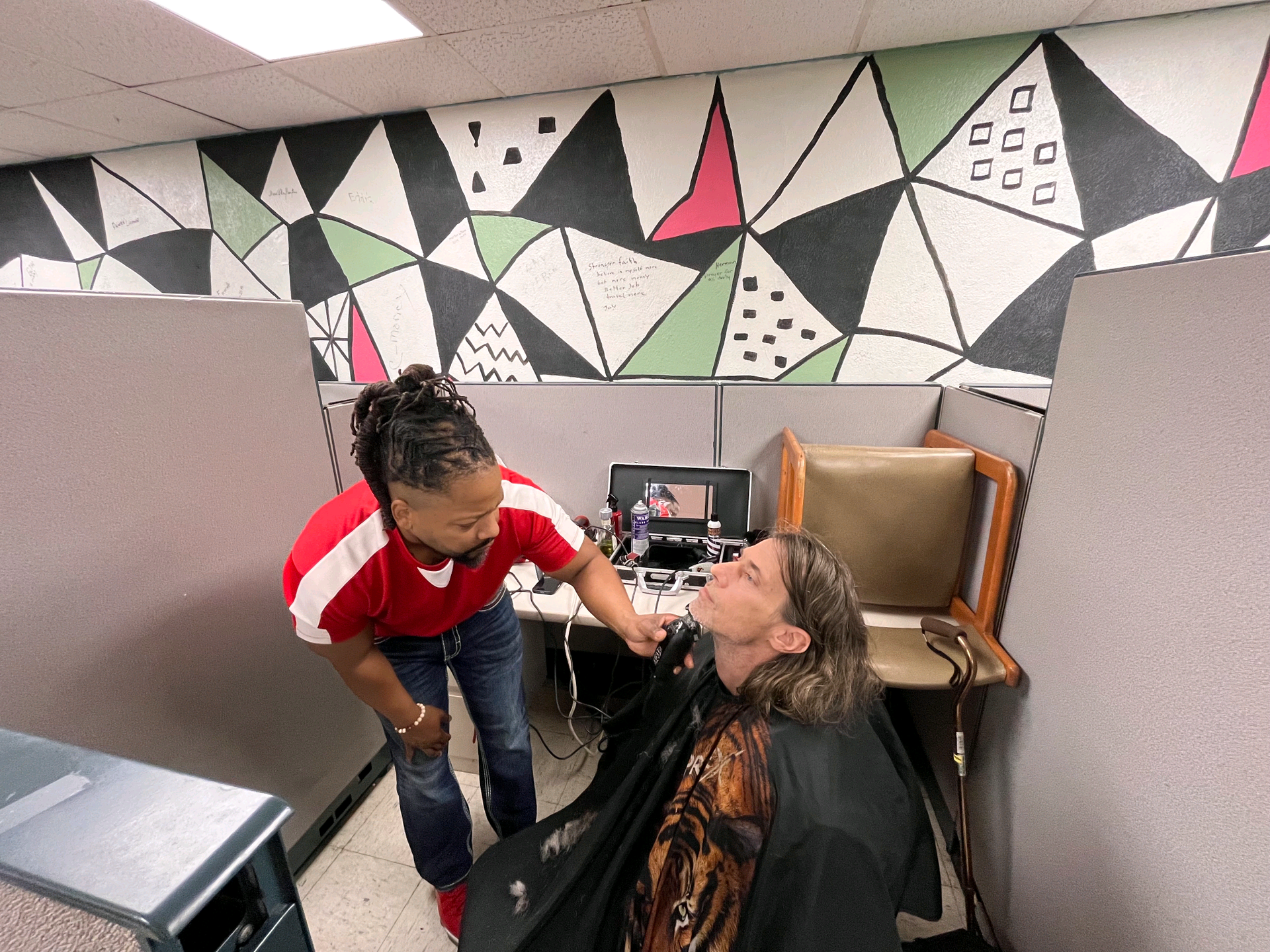
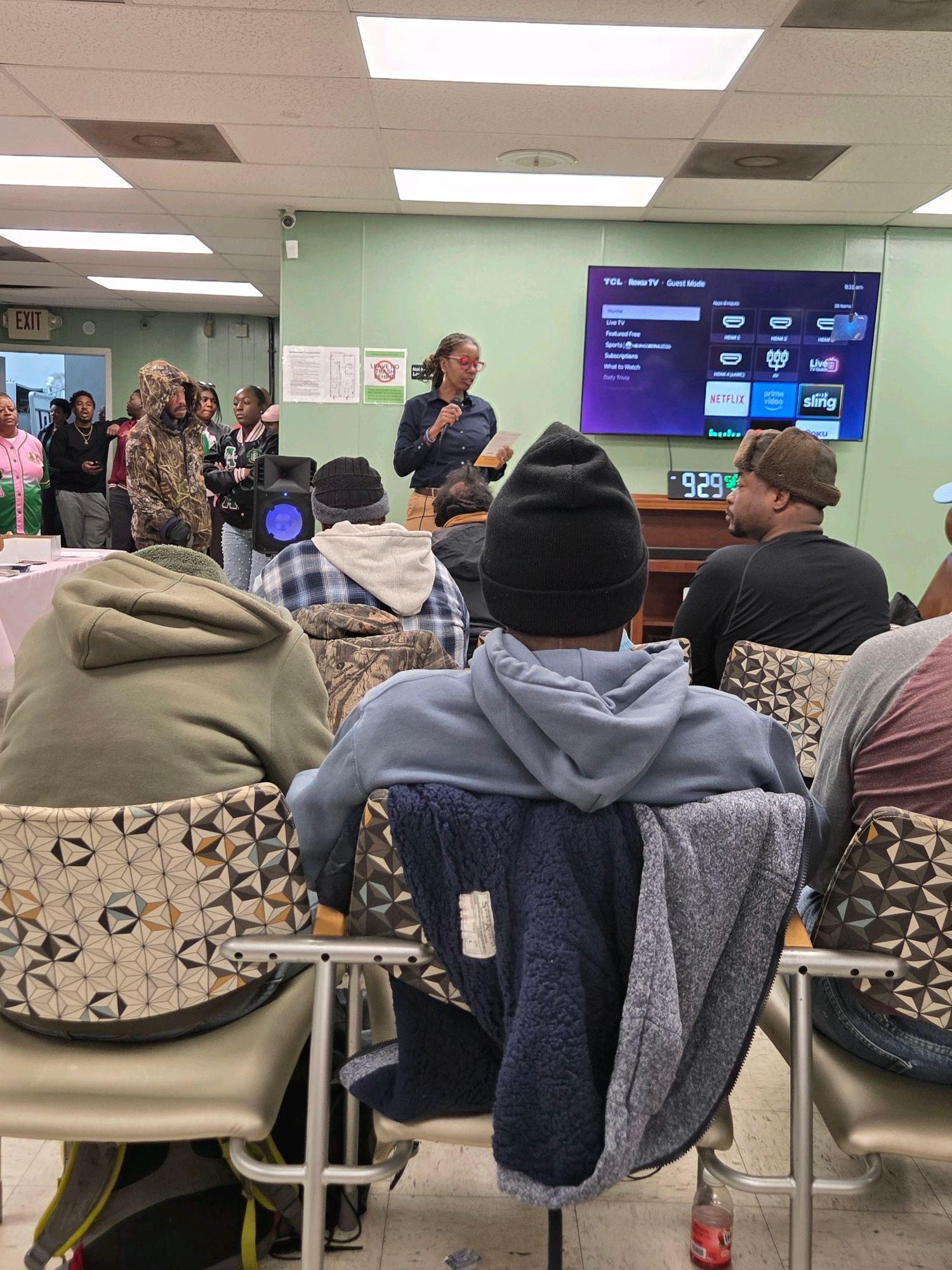
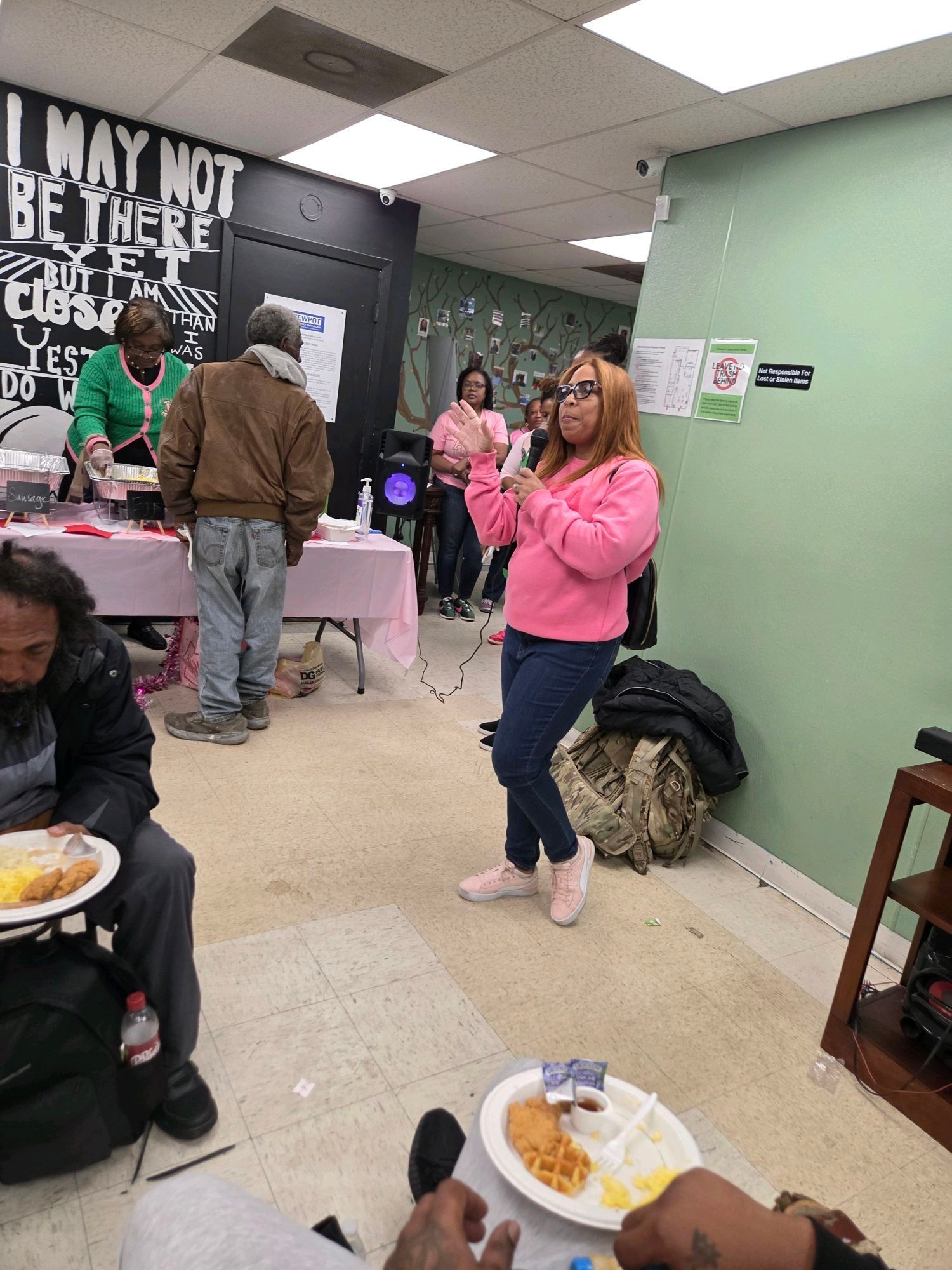
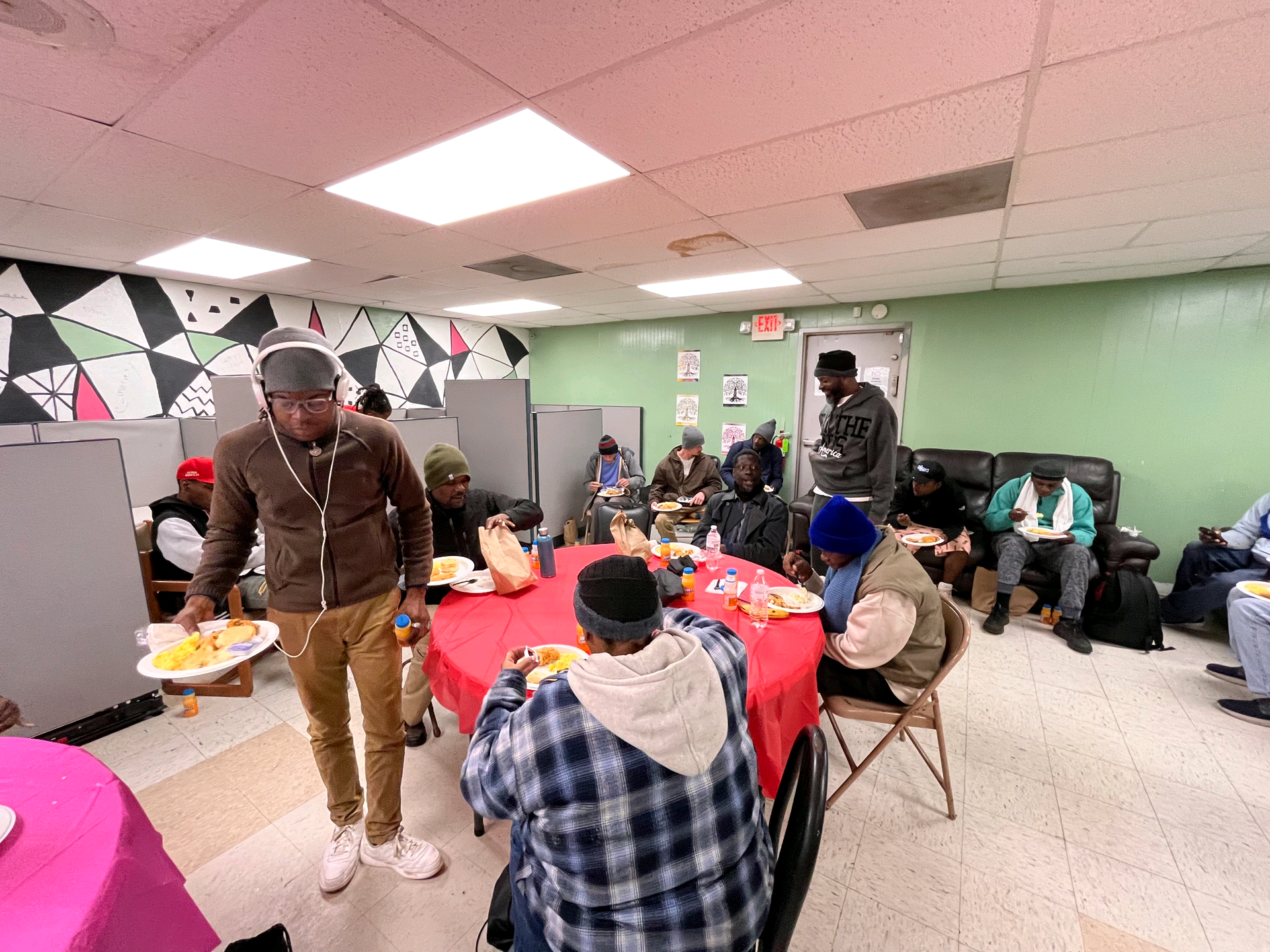
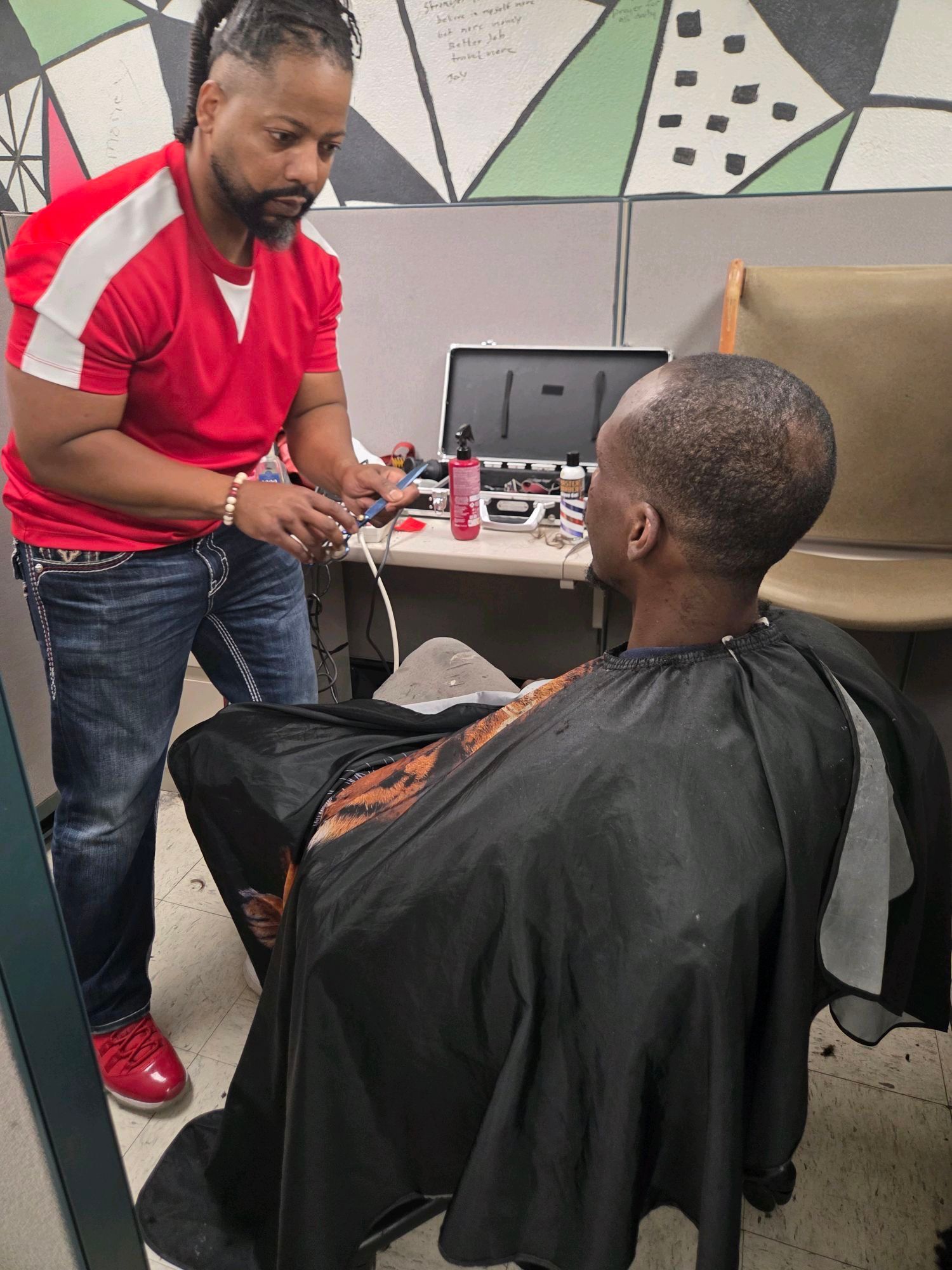
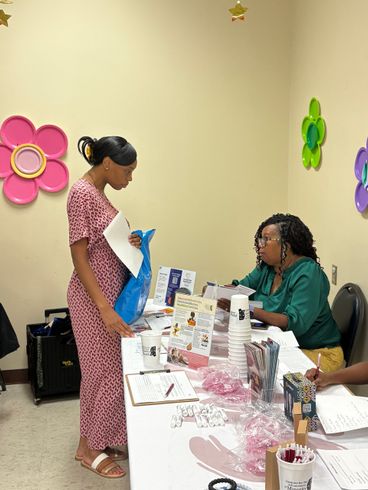
Institute staff partnered with community organizations during Breakfast in Blooms. The event provided dignity, care, and support to our unhoused neighbors. Attendees received a hot breakfast, free health screenings, haircuts and access legal, mental health, and financial resources.
The Institute was established in 2019 to reduce health disparities among disadvantaged and underserved minority populations in the southern region through program development and implementation, training and technical assistance, organizational capacity building, grant writing and evaluation. The areas covered by the Institute include all 82 counties of Mississippi. We offer full portfolio of health resources that provide a wide array of services, to help reduce health disparities within our community. With our expertise and extensive knowledge and skillset, we improve health outcomes for the underserved and disadvantage throughout the State of Mississippi.
African Americans face high rates of death and illness, so we must help them quit smoking, encourage early cancer screenings, get more people tested for HIV, promote healthier lifestyles, and ensure they have access to quality health care.
IAMH programs are being implemented in the State of Mississippi with the goal of addressing the most pressing health issues currently impacting minority populations. We are leading the effort to make optimal health and well-being a reality for all.
As part of our initiatives, we implement campaigns and programs in conjunction with partner organizations in an effort to spread awareness about pertinent health issues.

Rates of preventable diseases like hypertension and kidney failure are alarmingly high—and we’re taking action. Through targeted initiatives and health equity advocacy, we’re changing the numbers and saving lives.
Do you believe in our mission? Join our growing list of funders
The Institute for the Advancement of Minority Health is committed to working with likeminded organizations and agencies dedicated to improving the health of Mississippians.
The Internal Revenue Service (IRS) recognizes The Institute for the Advancement of Minority Health as a Section 501(c)(3) public charity. Our Federal Tax ID Number is 83-4631016. Contributions to The Institute for the Advancement of Minority Health may be eligible for a tax deduction in the U.S.A., please consult your tax advisor for eligibility. No goods or services will be offered or provided in exchange for this contribution.
Get involved to help build healthier, more equitable communities.
Programs and Services
(769) 572-5263
350 West Woodrow Wilson Ave.
Suite 3635
Jackson, MS 39213
Administration and Business Services
(769) 567-1060
682 Towne Center Blvd., Suite 103
Ridgeland, MS 39157
Mon - Fri 8:00 a.m. - 4:30 p.m.
Disclaimer:
Content Warning
This site contains messages and images about substance abuse, HIV prevention and other mental and physical health issues in our community. Some of the materials may not be suitable for all audiences. If you are not seeking this information or are offended by such materials, please exit this website.
© 2026 All Rights Reserved | Institute for the Advancement of Minority Health
Non-Discrimination Policy | Steven's Amendment | MS Delta Disaster Relief